While checking in on the ongoing discussion about what it is we create and why, enjoying the rain and coolness, doing wash and enjoying my day off, I got some ironing and cutting done. AC off! Iron on!
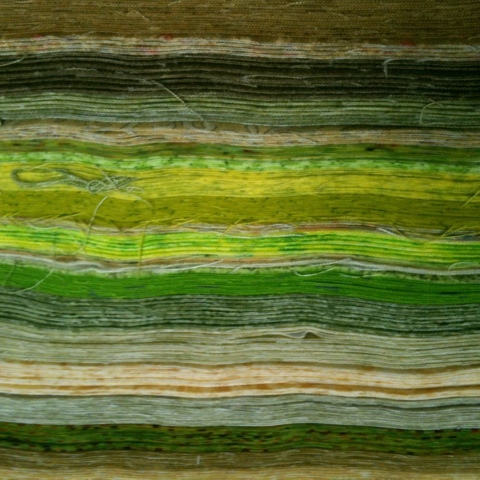
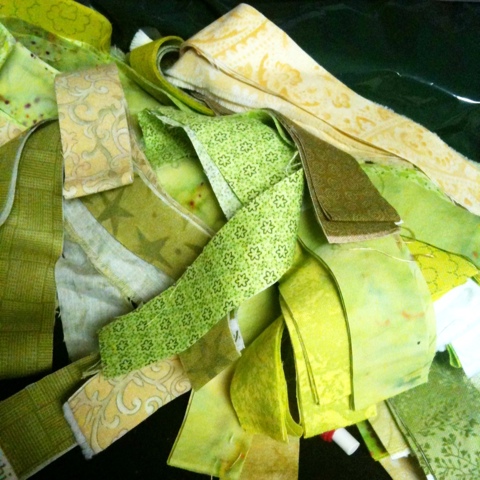
While checking in on the ongoing discussion about what it is we create and why, enjoying the rain and coolness, doing wash and enjoying my day off, I got some ironing and cutting done. AC off! Iron on!
As the day went on yesterday, I felt itchier and itchier. Something tipped me into the world of allergic response but who knows what? I got through it and toodled home and partook of benadryl. As I sat at the computer doing some pretty mindless stuff, I suddenly had a thought about my next quilt.
One of those “what if I” sort of moments. The path seemed clearer to me than it has. (process posting promise people please take note that this is for you!) My quilts often start with a visual sense of what the quilt will look like. Not in great detail but something about what it will be about, followed by a some calculations, some figuring, maybe a bit of sketching, maybe a bit of trial stitching. There’s not a lot of trying and discarding. There’s lot of thinking about.
So what came into my head last night in this nodding-off-from-benadryl-moment was a piecing scheme. Where previously I might have been thinking raw edge, I have it in my head to do piecing. Because I can. Because I can see how to do it and it’s a reasonable approach for the size I have in mind.
So hopefully tonight I’m going to try out some of that and see how it goes.
Only problem – involves a lot of ironing. And did I mention the heat wave?
If it’s possible to be hotter, I’m not sure how – oh wait – maybe iron while being this hot, LOL.
Moving the AC to the sewing room suddenly seems like a good plan.
There’s a lot of discussion going on right now about one of the juror’s comments in the Quilt National 2011 book. The discussion is specifically about Eleanor McCain’s opening comments:
What about these works of art demands that they are formed from cloth and thread? Is there a message and meaning that can only be revealed through this medium? What in the quilt form is important to the art? As a fiber art professor once asked, “If it’s not about the fiber, why work in that medium?”
I really appreciated all of the jurors’ comments this year.
Pauline Verbeek-Cowart was brave enough to admit that after the first round of viewing she was
…initially disappointed. Not a single entry in my opinion represented that leap into new territory, or challenged conventional notions of the medium and stood as a radical new approach.
She then went on to talk about how she overcame this initial idea and talks about the quilts themselves and how they relate to each other and what they represent.
Nelda Warkentin opened with:
The jurying process offers insights into what makes certain quilts rise to the top. Composition and intentional decision-making by the artist are extremely important. When these two factors are evident, the end result is, more often than not, masterful. Truly exciting were those works where one could honestly say, “I wouldn’t change a thing.”
But getting back to the on-going discussion, I kept wishing people had read the whole statement by McCain because it ends with:
There are visual characteristics of fiber that awe, unmatched in other media. Light reflection, the tactile quality of fabric, texture, and the stitched line are critical elements in works relating to the idea of “quilt.” Considering the best of traditional quilts, it is apparent that their unknown makers were masters of composition, pattern, repetition, and color. Studying the forms of the Victorian crazy quilt, one can recognize a long history of experimentation.
Great art quilts explore these ideas, expanding the concepts and making us think about them in new ways, sometimes ironically. They ask us to consider the role of women’s traditional arts. They present color and material, play with pattern or revel in structure and texture, but with emphasis on and attention to the history from which they arose. The artists presented here are in full control of their medium. Their works demand the rightful place of quilts as an art form.
When I first read those last two paragraphs I wanted to stand up and applaud. Why? Because it is inclusive of what people are doing in contemporary quilting rather than trying to draw all these lines about is and is-not. She says what appeals, both to the maker and the viewer, in a quilt – and allows that quilters of the past also worked within these interests and did it well using their knowledge of design and composition and the medium.
Thank you Eleanor – I so enjoyed your Juror’s piece in the exhibit and spent a lot of time with it, but thank you especially for these words which I find so personally encouraging.
What’s money? A man is a success if he gets up in the morning and goes to bed at night and in between does what he wants to do. — Bob Dylan
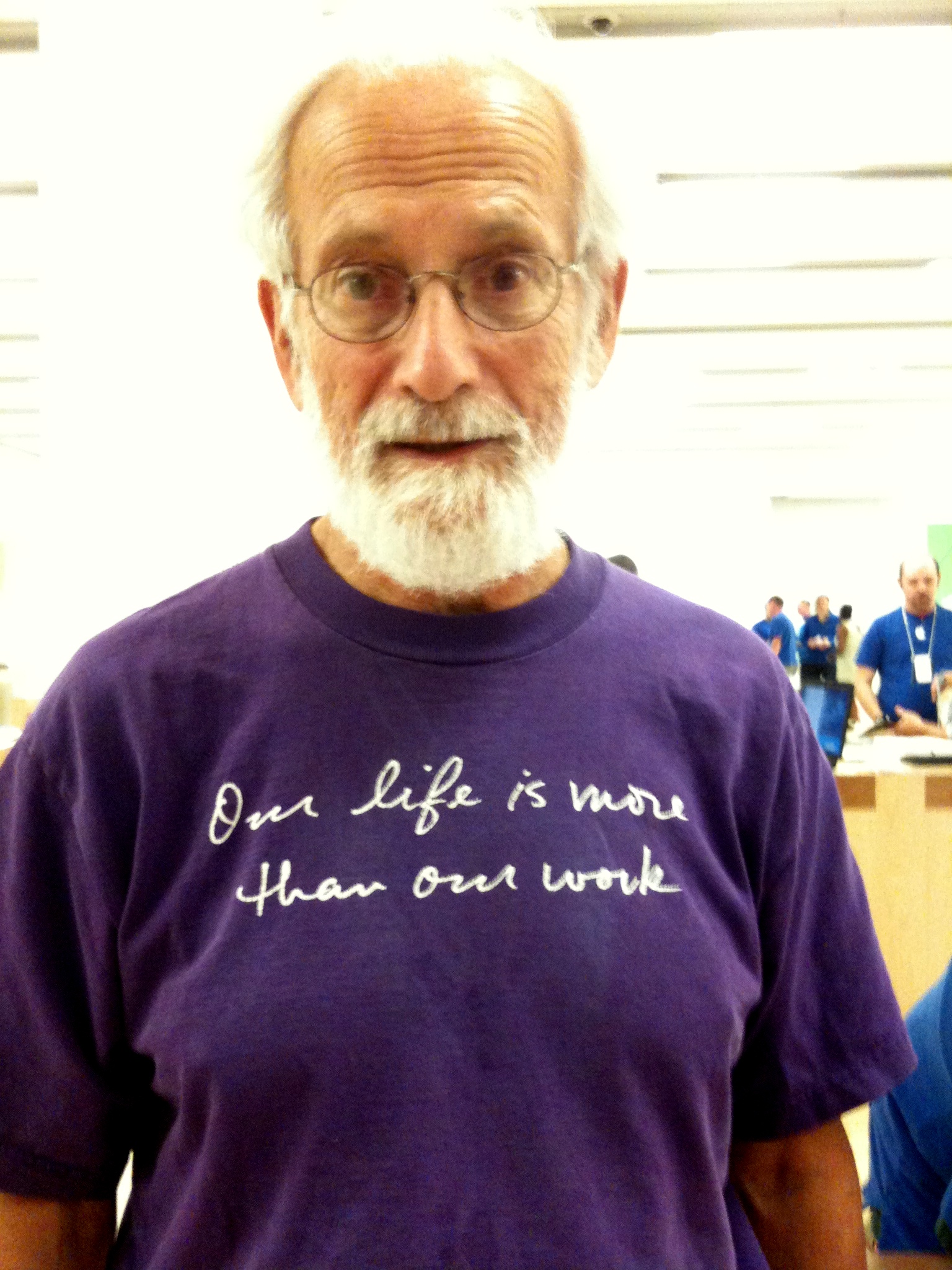
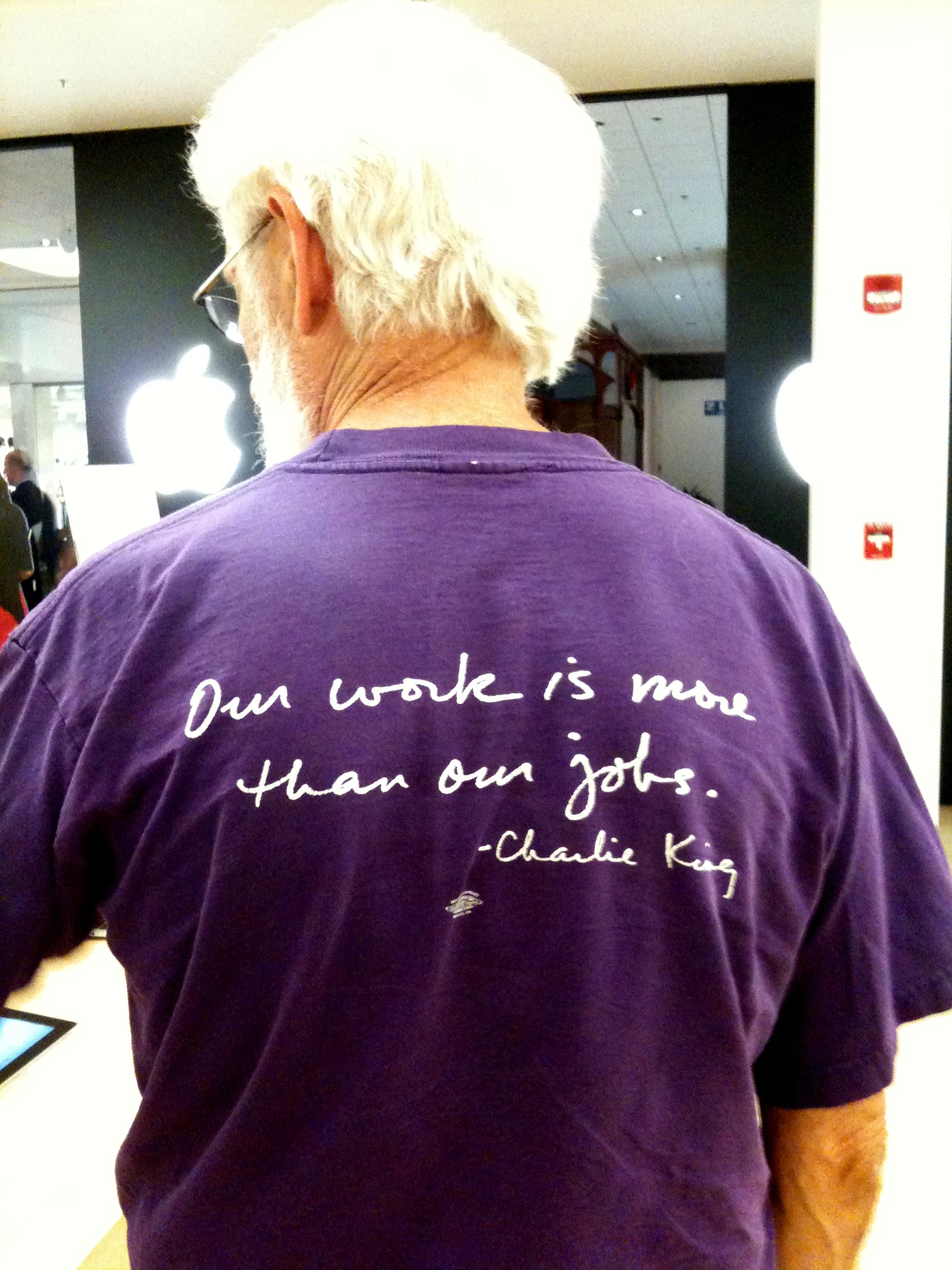
Also paused to photo a customer (with his permission and free explanation) for this cool tshirt and quote:
This really spoke to me. The armorer/restorer’s comments about the nature of his work and what it can reveal about these items is worth listening alone, but I wished everyone could look for and listen to what is behind some pieces, what their makers can still tell us. There was a helm with the most incredible mermaid like figure coming up from behind the head and all these other things going on. Did someone really wear that? Amazing even if ceremonial attire.
I want my own work to have things and meanings for people to find. I don’t regret or begrudge the time it takes to make each piece. The meaning I put in may not be what the viewer takes out but if they at least wonder about it, I’m good.
‘The poor reader is the seldom reader, ’ said Franklin, I think. So it is with paintings: PAINT LOTS. The more you practice what you know, the more you know what to practice.